
Building Kenya’s Circular Cities of 2035
Practical ideas for cleaner energy, circular construction and better buildings—open to communities, researchers, city teams and everyone working for a more resilient urban future.
From urban ambition to practical delivery.
Kenya’s secondary cities have an opportunity to grow differently: with more productive materials, better performing buildings and stronger local value chains.
Starting in Eldoret / Uasin Gishu, the concept connects local needs, demonstration and evidence. Its circular construction and green buildings focus is designed to share approaches other cities can adapt.
Understand the programme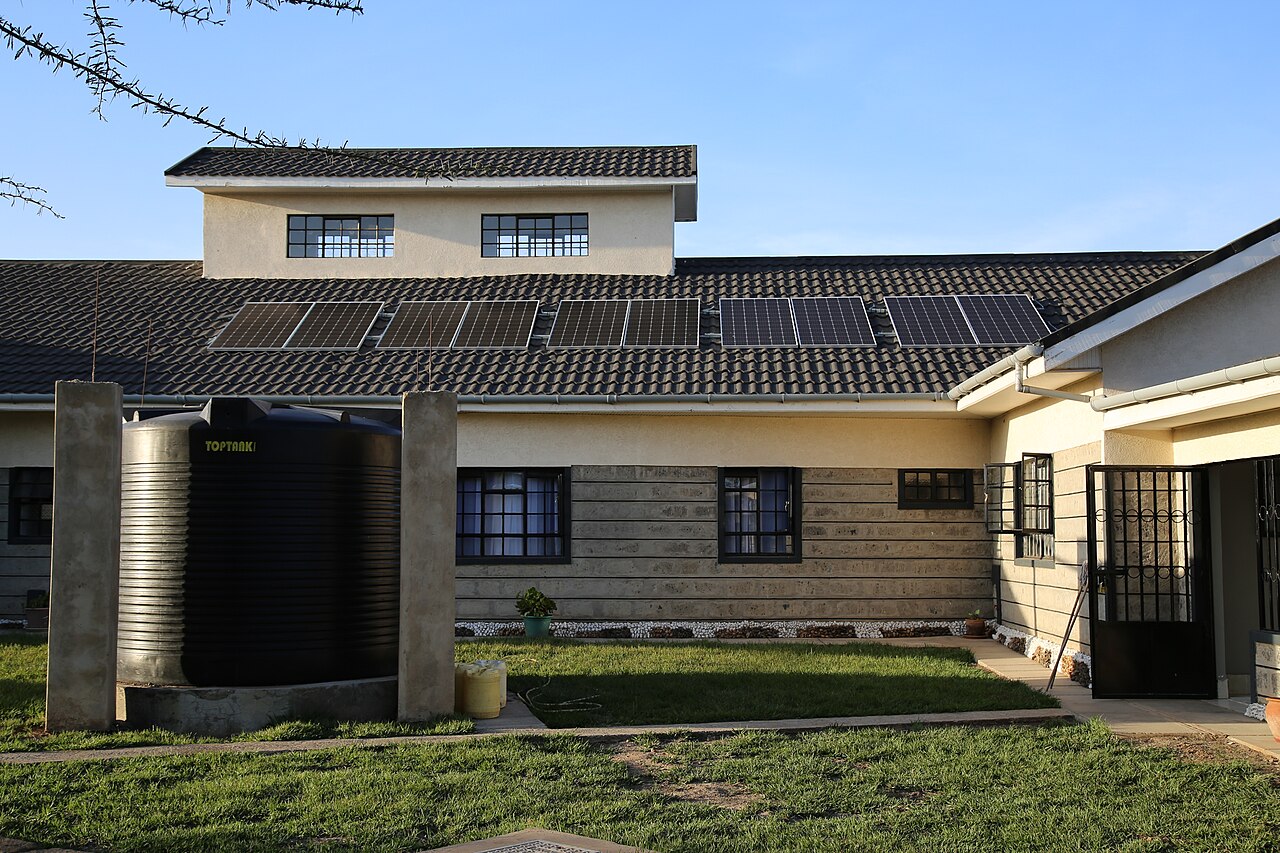 Solar installation in Kenya · PowerAfricaSolar / Wikimedia Commons, CC BY-SA 4.0 · Context photography, not a programme project
One connected urban transition.
Circular materials, efficient buildings, clean energy and shared learning belong together.
Circular construction
Recover materials, enable reuse and establish low-carbon construction supply chains.
02 / 04Green buildings
Demonstrate efficient, climate-responsive public and community buildings.
03 / 04Research & innovation
Test, measure and validate solutions that can be replicated at city scale.
04 / 04Delivery & replication
Turn tested approaches into practical models for more cities.
From ideas to practical change.
Different projects need different kinds of support. The focus is on useful local outcomes, not a single funding source.
Research & testing
Support evidence gathering, technical trials, monitoring and shared learning.
Public infrastructure
Plan enabling works and community-serving assets with local stakeholders.
Commercial delivery
Develop practical models for material recovery, buildings and energy services.
Long-term scale
Connect tested projects to appropriate, sustainable implementation pathways.
Start locally. Learn openly. Share widely.
Eldoret / Uasin Gishu is the starting geography for planning; future locations are not yet confirmed.
Define
Identify local needs, sites, baselines and technical priorities.
Prepare
Design practical pilots and bring together delivery expertise.
Demonstrate
Test solutions, measure performance and validate results.
Deliver
Develop viable plans for infrastructure and building projects.
Replicate
Share proven approaches with other Kenyan cities and counties.
A more resource-efficient urban future.
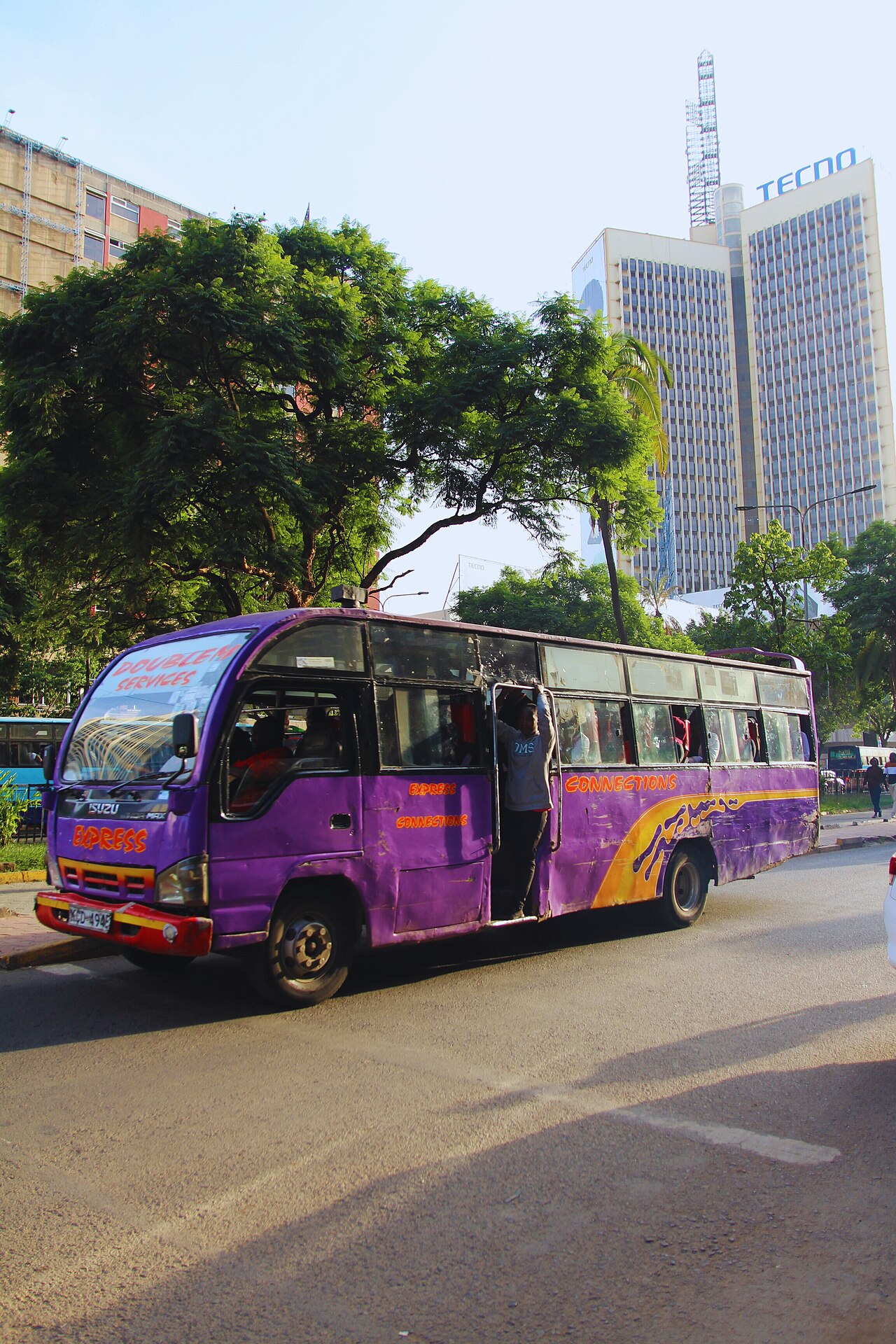
The programme concept connects livable streets, energy-efficient buildings and local circular supply chains in one place-based approach.
A platform for complementary expertise.
City teams, researchers, technical specialists, businesses and communities all have a part to play. These are ways to contribute, not a list of organisations affiliated with the programme.
Explore the ecosystem- Local government and municipal teams
- Universities, colleges and technical training institutions
- Research and innovation teams
- Circular-material technology providers
- Architects and engineers
- Waste operators and property developers
Measure what matters.
Explore how materials, building comfort, energy, water and local skills can be measured and improved.
Resource productivity
Recovery, reuse, recycled content and material traceability.
Operational performance
Energy, water, thermal comfort and lifecycle outcomes.
Local value creation
Skills development, contractor training and SME participation.
Follow the programme as it develops.
Formal opportunities, programme briefs and research materials will be posted when available.
No active opportunity posted
View the opportunities page for future notices and expressions of interest.
View opportunities RESOURCESDocumentation in preparation
Programme briefs, concept notes and technical studies will be listed when released.
View resources NEWS & INSIGHTSUpdates forthcoming
Evidence, milestones and perspectives from the programme as work advances.
View insightsHelp shape the next generation of Kenyan cities
Everyone with an interest in more resilient Kenyan cities is welcome to take part.